Upgrade Your Car With High-Quality Auto Tint and Wraps Solutions
Upgrading a car with premium auto tint and wraps can markedly improve its appearance and capabilities. These offerings deliver a fusion of style and protection, catering to individual preferences and demands. From shielding against UV rays to enhancing temperature regulation, the advantages are evident. Nonetheless, picking the correct options and installation methods can be overwhelming. Knowing the various aspects of auto tint and wraps is key to making a well-informed decision. What should one focus on next?
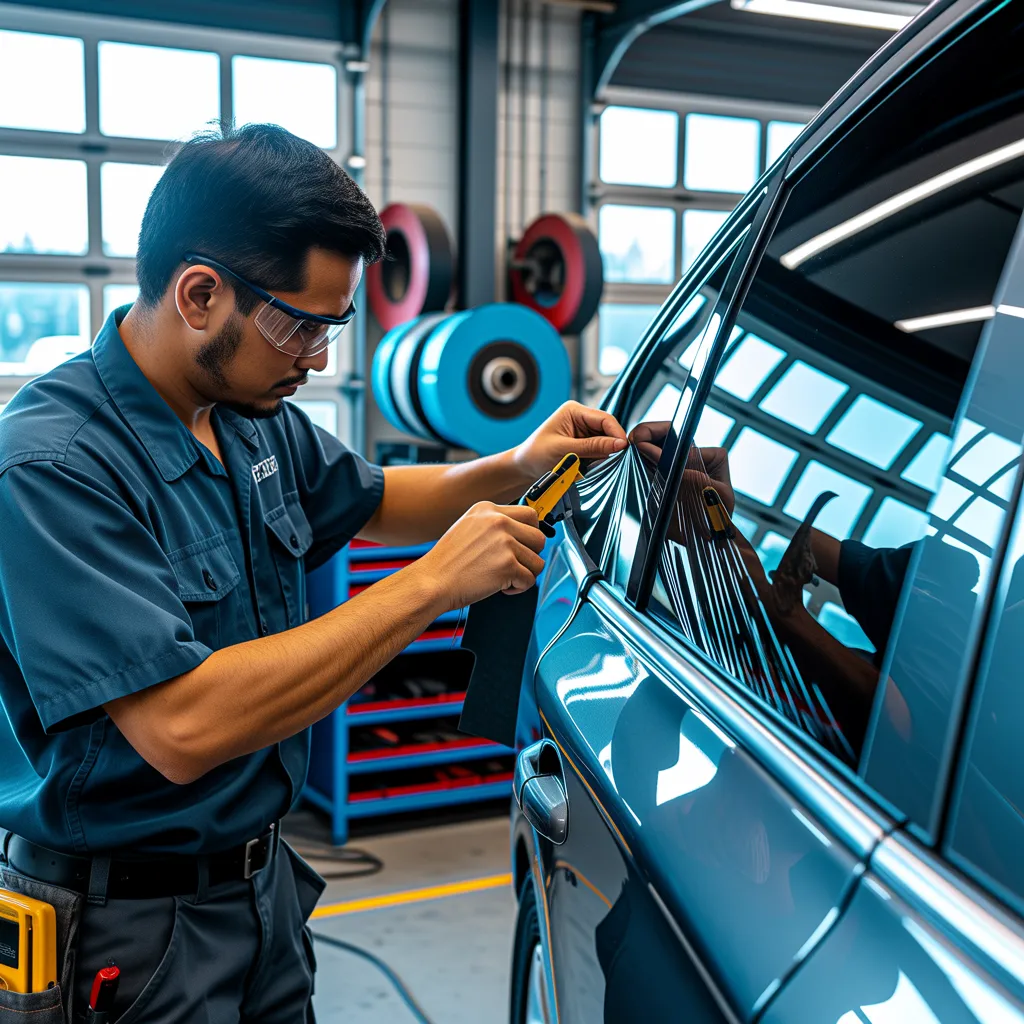
The Advantages of Premium Auto Tint and Wraps
Premium auto tint and wraps enhance both the aesthetic and functional attributes of vehicles. These services provide a sleek appearance, permitting vehicle owners to express their individuality while maintaining a polished look. Additionally, premium auto tint functions as a protective layer against harmful UV rays, decreasing interior fading and shielding passengers from sun exposure. It can also help regulate vehicle temperature, adding to overall comfort.
Moreover, high-quality wraps give a layer of protection against scratches and minor abrasions, protecting the automobile's original paint. This can be particularly beneficial for those aiming to keep resale value. In addition, wraps can be conveniently removed or changed, delivering flexibility for those who want to revise their vehicle's appearance without a permanent commitment. Overall, premium auto tint and wraps unite style with practical advantages, making them a worthwhile investment for any vehicle owner.
Types of Auto Wraps to Consider for Your Vehicle
When evaluating vehicle enhancements, auto wraps come in various types, each offering unique benefits and aesthetic options. One popular choice is the full wrap, which covers the entire vehicle, enabling a complete makeover in color and design. This option can significantly change the vehicle's appearance while also providing protection against scratches and UV damage.
Partial wraps represent a different solution, focusing on designated zones such as the hood, roof, or doors. This alternative is suitable for those aiming to make a impression without overpowering the original paint job.
For organizations, custom graphics wraps featuring logos and branding can increase brand awareness and market offerings efficiently. Additionally, specialty wraps, containing matte, gloss, and metallic finishes, deliver distinctive finishes and aesthetic charm. Each type of auto wrap fulfills separate roles, making it crucial to assess individual needs and car specifications when picking the best option.
How to Select the Perfect Auto Tint for Your Vehicle
Selecting the appropriate auto tint requires comprehending the various types offered and ensuring compliance with regulatory requirements. Different tinting products and shades can impact appearance, heat reduction, and seclusion. Knowledge with local laws is crucial to prevent possible penalties and verify the chosen tint aligns with automotive standards.
A Comprehensive Overview of Tint Types
Picking the suitable auto tint can greatly enhance both the visual appeal and functionality of a vehicle. Several tint types are accessible, each offering special perks. Dyed window film is affordable and delivers privacy while filtering UV rays. Metalized tints deflect heat and improve durability, making them excellent for climates with intense sunlight. Ceramic window films, though costly, provide superior heat rejection and clarity without interfering with electronic devices. In addition, hybrid tints combine elements from both dyed and metalized films for a balanced option. When choosing a tint, one should consider factors such as heat rejection, visibility, and personal style preferences. All things considered, the right tint type can revamp a vehicle's appearance while providing essential protection.
Legal Tint Guidelines
Grasping auto tint specifications is important for anyone considering auto tint setup. Each state maintains particular regulations controlling the permissible amount of tint shade, typically measured by Visible Light Transmission (VLT) percentages. For example, certain states allow more opaque tints on rear windows while restricting front-side and windshield tints to lighter shades. Furthermore, rules may vary depending on vehicle classification, featuring exemptions for select commercial vehicles. It is critical for vehicle owners to overview research their state's regulations to avoid penalties and guarantee adherence. Consulting with a professional tint application company can deliver understanding and help in selecting the appropriate tint that fulfills both aesthetic wishes and legal requirements. Following to these requirements will enhance both the vehicle's appearance and safety.
Is Professional Service Superior for You or Will You Do it DIY?
When reflecting on whether to decide on expert installation or a DIY approach for auto tint and wraps, the judgment is based on several key factors. Professional installation frequently delivers a flawless result, utilizing experienced specialists informed about the nuances of various materials. This expertise mitigates risks caused by misalignment, damage, and bubbles to the vehicle. Additionally, many professionals furnish protection agreements, offering reassurance against probable deficiencies.
Conversely, DIY enthusiasts may opt for cost reductions and the contentment of completing a project independently. However, this approach requires a major commitment of time and dedication, alongside a learning curve for correct methods. Missteps can lead to pricey reapplication or even damage, possibly negating initial savings.
In the end, people should assess their skill level, budget, and desired outcome, balancing the benefits of expert confidence against the allure of a hands-on project. Each choice delivers distinctive perks suited for different preferences and conditions.
How to Look after Your Auto Tint and Wraps
Taking care of auto tint and wraps is crucial to preserve their appearance and longevity, as neglect can cause premature fading and peeling. Regular maintenance involves gentle washing with a neutral soap solution and a gentle microfiber towel to avoid scratches. It is vital to steer clear of harsh chemicals and instruments that could harm the surface.
Additionally, car owners should enable the tint or wrap to harden fully, usually for about a week, before exposing it to extreme weather conditions. Keeping your vehicle in shaded locations or applying a car cover can shield the finish from UV rays and pollutants.
Furthermore, it's advisable to keep the surfaces free from waxes or sealants, as these can interfere with the tint's adhesion. Finally, regular inspections for any signs of lifting or damage will help address issues early, ensuring the vehicle remains in peak condition.
Discovering Trusted Tint and Wrap Solutions in Your Locality
In what way can one locate trustworthy tint and wrap services nearby? People searching for trusted services should start by performing online research. Search engines can provide a list of local businesses with customer reviews, ratings, and service details. Social media platforms and community forums also act as helpful tools, where users exchange personal experiences and recommendations.
Additionally, requesting endorsements from friends, family, or colleagues can result in reputable providers. Stopping by local automotive shops can produce information about professional window tinting and vehicle wraps, given that many establishments coordinate with such professionals.
Once potential applicants are identified, it is wise to check their certifications and portfolio, ensuring excellence and expertise. Comparing quotes and warranties can also help in making an informed decision. Ultimately, thorough research and individual referrals are key to finding reputable tint and wrap services that will enhance a vehicle's appearance and functionality.
Regularly Discussed Topics
How much time Does the Installation Process Typically Take?
Installing your tint or wrap normally lasts around two to five hours, determined by your vehicle's size and how complicated the tint or wrap is. Variables like initial preparation and setting time may also determine how long the entire process takes.
Will Auto Tint Impact My Vehicle's Warranty?
Window tinting commonly does not cancel a vehicle's warranty, as long as it is expertly done and satisfies manufacturer guidelines. However, it's prudent to examine specific warranty terms to ensure coverage stays valid.
Can Coverings Be Taken Off Without Harming the Paint?
Wraps can commonly be stripped without harming the paint if applied correctly. However, circumstances including the age of the wrap and paint condition may influence the outcome, so caution is always advisable during removal.
Are There Lawful Limitations on Tint Darkness in My Area?
Tint depth legal limitations change by region. Individuals need to consult local laws or regulations to ensure compliance. Breaking these requirements may result in fines or the need for removal.
How can I tell if my tint provides UV defense?
To verify if tint is protective from UV, one can check product documentation for UV values, consult the installer, or find notices indicating UV-blocking traits. Testing with a UV meter can also provide confirmation.